



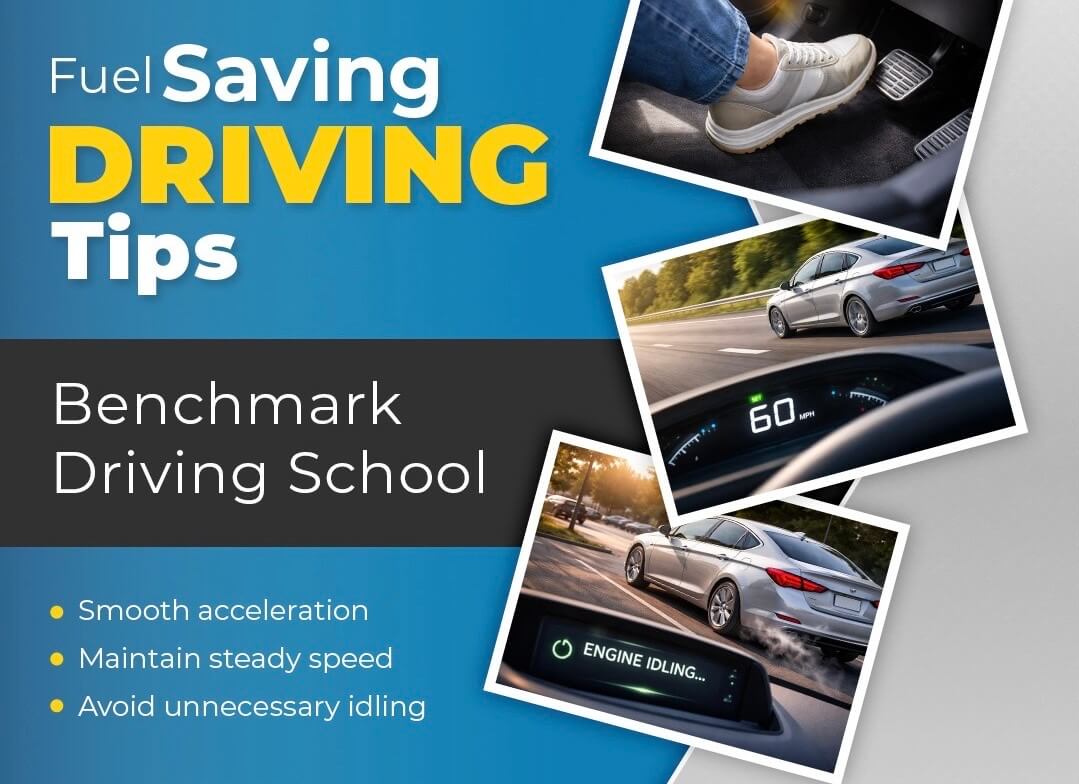
With rising fuel prices, every driver wants to get the most out of each litre. The good news? Small changes in your driving habits can make a big difference. Whether you’re a new driver or experienced behind the wheel, these fuel-saving tips will help you cut costs and drive more efficiently.
1. Drive Smoothly, Not Aggressively
Rapid acceleration and hard braking burn significantly more fuel. Instead, accelerate gently and maintain a steady speed. Smooth driving not only saves fuel but also reduces wear and tear on your vehicle.
2. Maintain a Consistent Speed
Constantly speeding up and slowing down wastes fuel. Use cruise control on highways, when possible, to maintain a steady pace and improve fuel efficiency.
3. Avoid Excessive Idling
Letting your car idle for long periods consumes fuel unnecessarily. If you’re stopped for more than 60 seconds (except in traffic), it’s better to turn off the engine.
4. Keep Your Tires Properly Inflated
Under-inflated tires increase rolling resistance, which means your engine has to work harder. Check your tire pressure regularly to ensure optimal fuel efficiency and safety.
5. Reduce Extra Weight
Carrying unnecessary items in your vehicle adds weight and reduces fuel efficiency. Clean out your trunk and remove anything you don’t need.
6. Limit Use of Air Conditioning
Air conditioning puts extra load on your engine. Use it wisely—especially at lower speeds. At higher speeds, using AC is often more efficient than driving with windows open.
7. Plan Your Trips Efficiently
Combine multiple errands into one trip and avoid peak traffic hours when possible. Less time on the road means less fuel consumption.
8. Follow Speed Limits
Driving at very high speeds increases fuel consumption. Most vehicles are most fuel-efficient between 50–80 km/h. Staying within speed limits saves fuel and keeps you safe.
9. Keep Your Vehicle Well-Maintained
Regular servicing, clean air filters, and timely oil changes ensure your engine runs efficiently. A well-maintained car uses less fuel.
10. Use the Right Gear (For Manual Cars)
Driving in the wrong gear can waste fuel. Shift up early and avoid over-revving the engine to maximize efficiency.
Final Thoughts
Fuel-efficient driving isn’t just about saving money—it’s also better for the environment. By adopting these simple habits, you can reduce your fuel costs and your carbon footprint at the same time.